NHS & private · from £600
Crowns & bridges to restore damaged or missing teeth.
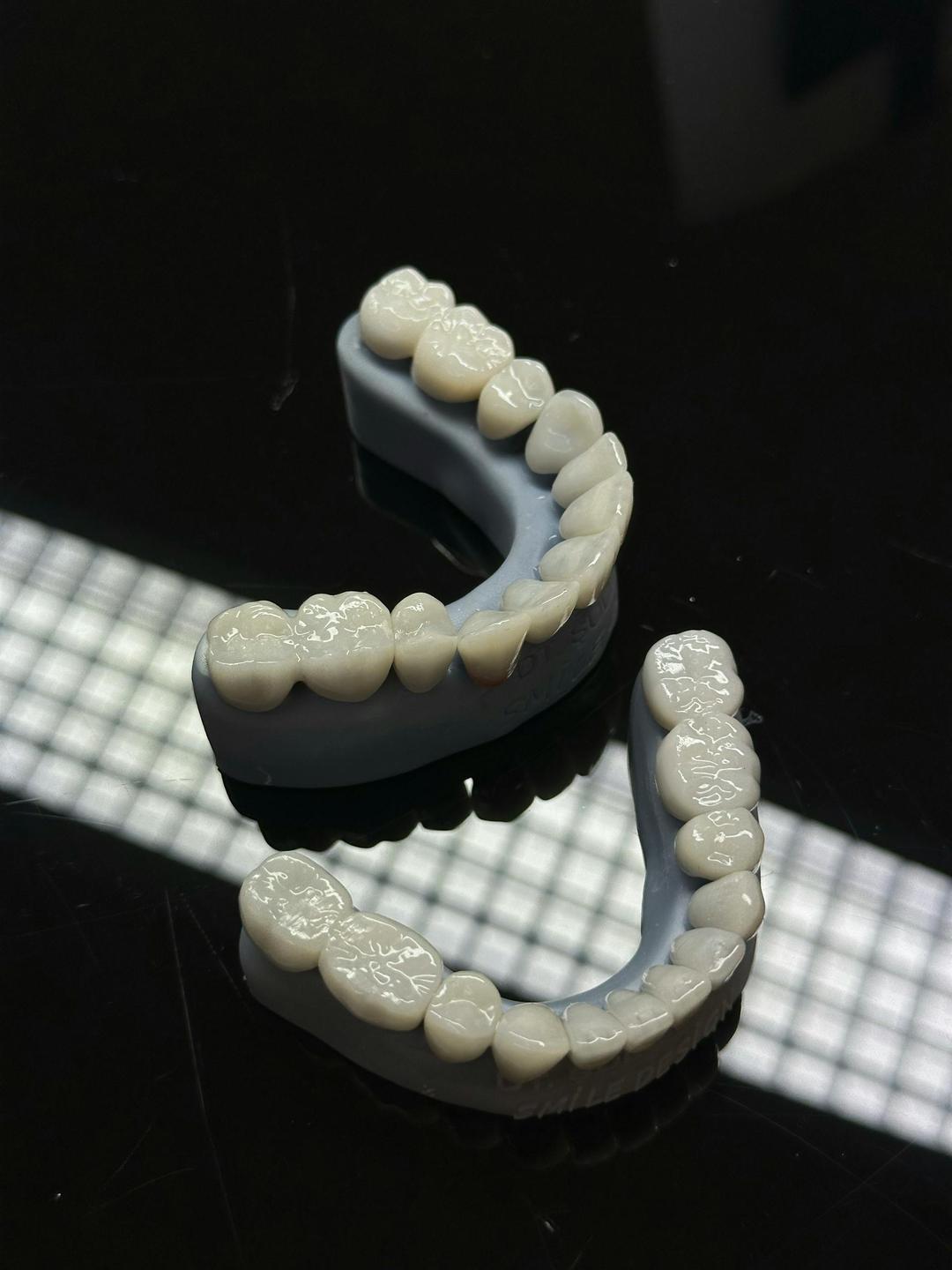
What crowns and bridges do
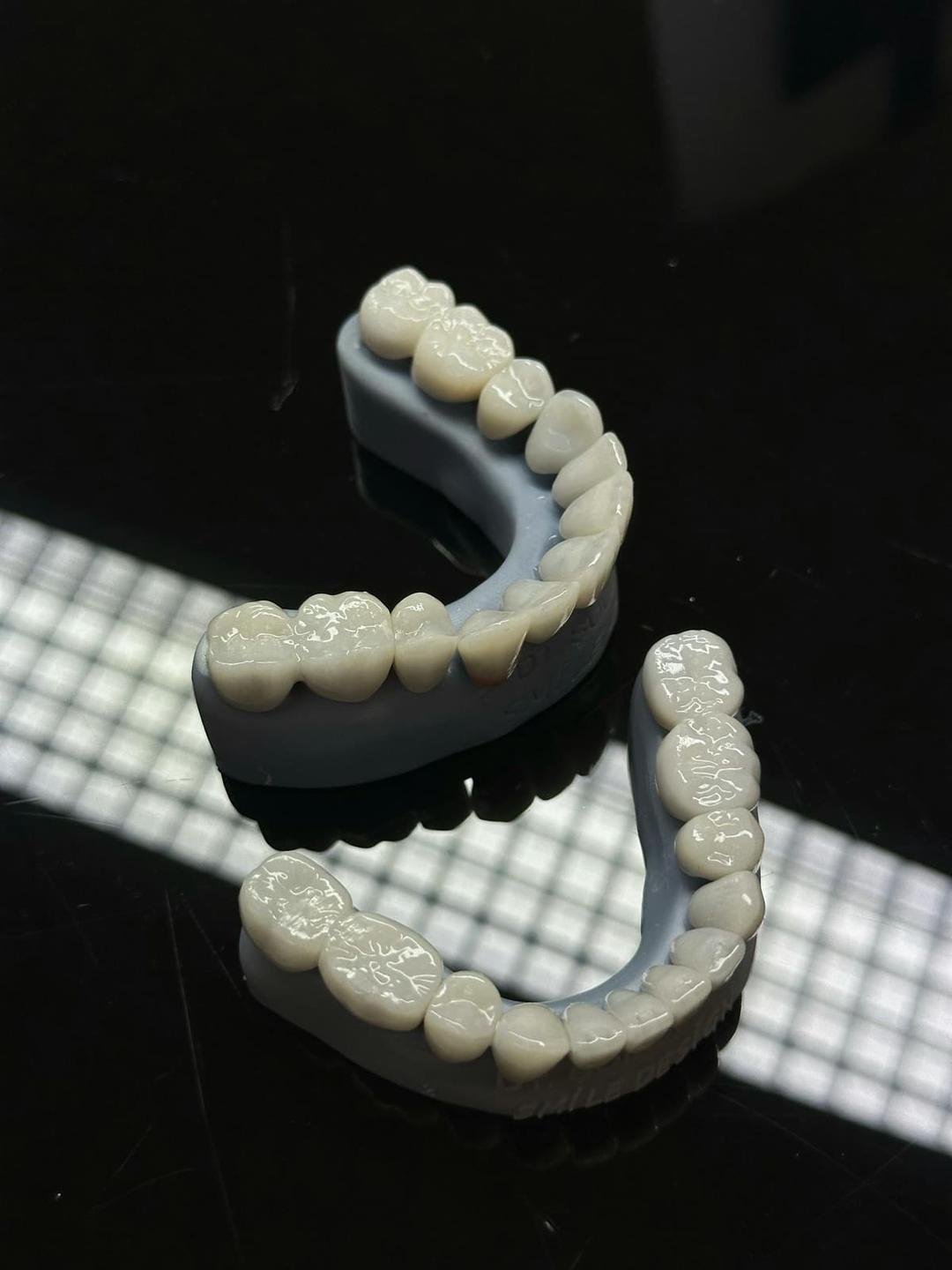
A crown is a cap made to cover a damaged tooth. It protects what's left, restores the shape and lets you chew on that side again. Crowns often follow root canal treatment, a large filling that has weakened the tooth, or a bad fracture.
A bridge fills the gap left by a missing tooth. The false tooth is joined to crowns or wings that bond to the teeth either side. It stays in place, so it's an alternative to a partial denture when an implant isn't the right choice.
- 01
Porcelain-bonded crowns, from £600
- 02
Porcelain inlays, from £525, when a tooth needs less than a full crown
- 03
Gold crowns, from £945, hard-wearing on back teeth
- 04
Bridges, from £800 per unit, fixed to the teeth either side
Having it done at Percy Road.
Made to your bite
Each crown and bridge is made in a dental laboratory from impressions or scans of your teeth, matched to your bite and shade.
NHS and private
NHS Band 3 (£332.10) covers clinically appropriate crowns and bridges. Private options give you more choice of material and appearance, and we'll quote both.
Nervous about the preparation?
The tooth is prepared under local anaesthetic. If you're anxious, tell us when you book so we can plan the appointment with you.
A temporary in the meantime
Between the preparation and fitting appointments, usually a couple of weeks, you wear a temporary crown so you can eat and smile normally.
What to expect, step by step.
- 01
Examination and plan
We assess the tooth and your bite, explain the alternatives (a large filling, or extraction followed by a bridge or implant) and quote NHS and private options.
- 02
Preparation appointment
Under local anaesthetic the tooth is shaped to take the crown. Impressions or scans go to the laboratory, and a temporary crown is fitted.
- 03
Laboratory work
The laboratory makes your crown or bridge to your impressions and shade, usually over a couple of weeks.
- 04
Fitting appointment
The temporary comes off, the new crown is tried in, the shade and bite are checked, and it's cemented in place.
- 05
Review
A short follow-up to check your bite has settled and make any small adjustments.
Crowns from £600 · Bridges from £800 per unit
NHS Band 3 covers clinically appropriate crowns and bridges at £332.10 per course of treatment.
Gold crowns from £945. 0% finance option available on eligible private treatment.
from £600
0% finance option available on eligible treatment, subject to status.
See the full fee scheduleIn their words.
“Fantastic service and the reception was so helpful. Dr Teja is an exemplary dentist who is so professional and informative. He made me feel comfortable and took away my nerves for my appointment. Highly recommend Whitton Corner Dental Practice!”
4.6/5
436 patient reviews on Google.
“I feel very lucky to be a patient at Whitton Corner Dental Surgery. I always see Ivonne who is a very experienced dentist with a quiet reassuring manner. The ladies on the reception desk are always friendly and very helpful.”
Would an implant suit you better?
If an implant is a better option than a bridge for your missing tooth, we'll refer you to our sister practice EyeSmile on Whitton High Street, where implants are placed.
Visit EyeSmileQuestions patients ask.
How long does a crown last?
Is a crown available on the NHS?
What's the difference between porcelain-bonded and gold crowns?
Do I need a crown after a root canal?
What's the difference between a bridge, a denture and an implant?
Does it hurt?
Background, before you decide.
Plain-English guides from our dental health library, covering what the treatment involves and what the alternatives are.